Destinations
Cagliari by Ferry in Autumn: What to See and Do, from Castello to Poetto
Reaching Cagliari by ferry in autumn is one of the most rewarding ways to meet Sardinia’s capital: slowly, with the sea still in view and the city rising in layers above the harbour. In this season, Cagliari feels open and lived-in rather than crowded. The limestone bastions glow in softer light, café tables spill into quiet lanes, and the long sweep of Poetto invites walks as much as swims. Arriving by ferry adds to the sense of approach, as the journey begins before landfall and continues straight into the walkable heart of the city.
23 October 2026
Why Visit Cagliari in Autumn

Autumn changes Cagliari’s pace. Days are often still mild, the light softens and walking between bastions, piazzas and the seafront becomes a pleasure. It is the ideal season to combine sightseeing, long lunches and strolls along Poetto, without the heat of August.
The first advantage is space. With fewer visitors, Castello’s viewpoints, the churches and the beaches can be enjoyed at an easy pace. There is time to notice the details: a stone doorway, a small shop on a steep lane, the smell of coffee drifting from the cafés of Marina.
Your budget benefits too: outside the peak season, accommodation and services are generally more affordable, and getting a table at the most popular restaurants is easier.
Cagliari is not just a summer city, either. Markets, museums, panoramic terraces and a nature park minutes from the centre make it a complete destination all year round. In autumn, the pale stone of the upper town, the green hills and the deep blue of the Gulf of Angels look their best.
For a complete overview of the city, see the Cagliari page on SardegnaTurismo, the official tourism portal of the Sardinia Region.
Getting There: Cagliari by Ferry

Arriving by sea is part of the journey. Ferries connect Cagliari with several ports on mainland Italy; routes, timetables and fares change with the season and are shown on the ferry operators’ websites when you book.
From the deck, the city appears in layers: first the quays, then the honey-coloured facades of Marina, and above them the walls and towers of Castello. Few ports offer such a striking entrance to a city.
The port faces the Marina district directly, one of the most central parts of town. Travelling light, you can walk to restaurants, hotels and the first climbs towards the old town. With heavy luggage or accommodation outside the centre, taxis and buses leave just a few steps away, close to the train and bus stations.
The ferry also lets you bring your car, handy for exploring beaches, archaeological sites and villages in southern Sardinia. For the first days in the city, though, you will not need it: Castello, Marina, Stampace and Villanova are best explored on foot.
To plan your trip, read our guide Sardinia by ferry in 2026: routes, ports and how to stay connected.
The Historic Districts: Castello, Marina, Stampace and Villanova

To decide what to see in Cagliari, start with its four historic districts. Each has its own character, and in autumn they are easy to cross on foot.
Castello is the high, fortified heart of the city. Climb from Marina or Villanova along stairways and bastions to the Cathedral of Santa Maria, the Palazzo Regio and the Pisan towers of San Pancrazio and the Elephant.
From the Saint Remy Bastion the view takes in rooftops, the harbour, the Sella del Diavolo and the sea. Towards sunset the limestone turns golden: the best time to go up.
Marina is the district of arrival, squeezed between the port and the upper town. Trattorias, wine bars and small shops fill its streets around the church of Sant’Eulalia. It is the perfect place for a first seafood dinner after landing, or an evening walk along Via Sardegna.
Stampace feels more local and lived-in. Here you will find the Church of Sant’Efisio, linked to the city’s most beloved festival, the church of Sant’Anna, and the streets leading up to the Roman Amphitheatre and the Botanical Garden.
Villanova, at the foot of Castello, has low colourful houses, balconies full of flowers and an almost village-like feel. It is best explored in the morning, among small churches, artisan workshops and quiet cafés, all the way to the Public Gardens and the Basilica of San Saturnino.
For up-to-date opening hours of museums and monuments, check Cagliari Turismo, the official tourism website of the City of Cagliari.
Poetto Beach and Molentargius Park: Sea Air and Flamingos
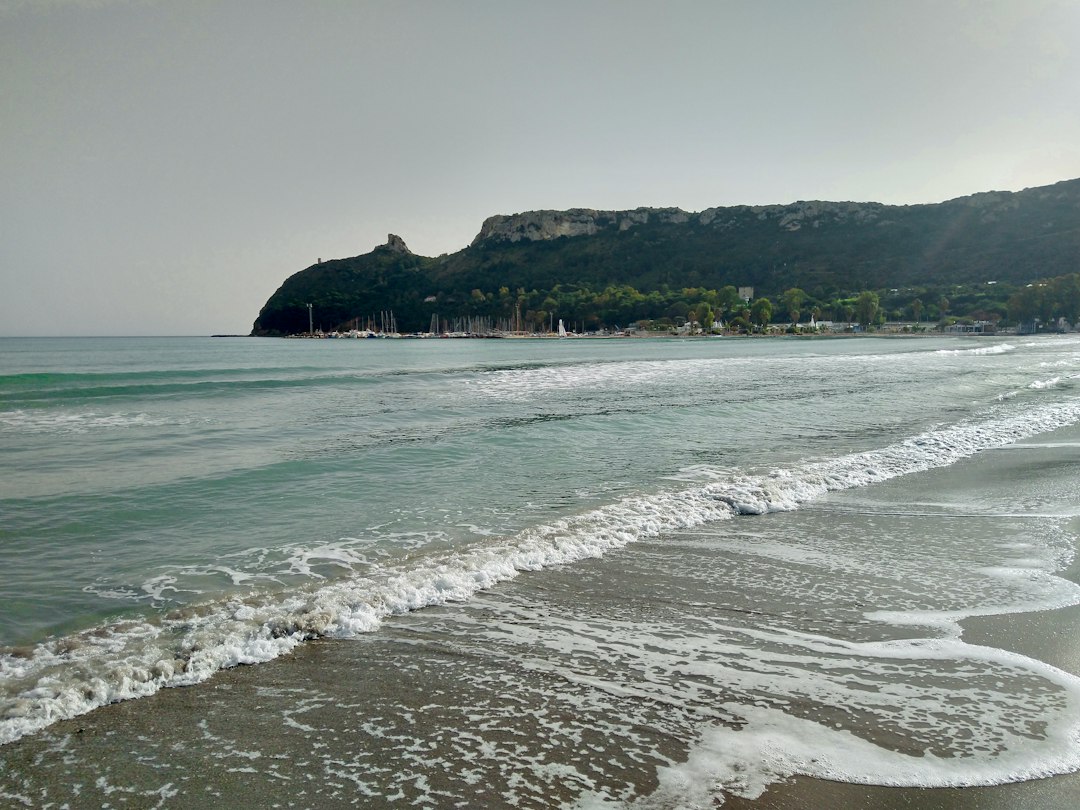
Poetto is the beach of Cagliari’s residents: miles of pale sand stretching towards Quartu Sant’Elena, with the Sella del Diavolo closing off the bay.
In autumn it becomes the ideal place to walk, cycle or have a coffee by the sea. In October, on calm and sunny days, some people still swim: it all depends on the wind and the water temperature.
Behind the beach lies the Molentargius-Saline Regional Natural Park: lagoons, salt pans and reed beds just minutes from the centre. It is home to pink flamingos, and in the cooler months walks to spot them are far more comfortable.
Moving quietly, staying on the paths and bringing binoculars make all the difference.
An idea for the day: morning at Molentargius, lunch with a sea view, afternoon on Poetto or towards the Sella del Diavolo.
More information about the beach is available on the Poetto page on SardegnaTurismo.
What to Eat in Cagliari: Fregola, Fresh Fish and San Benedetto Market
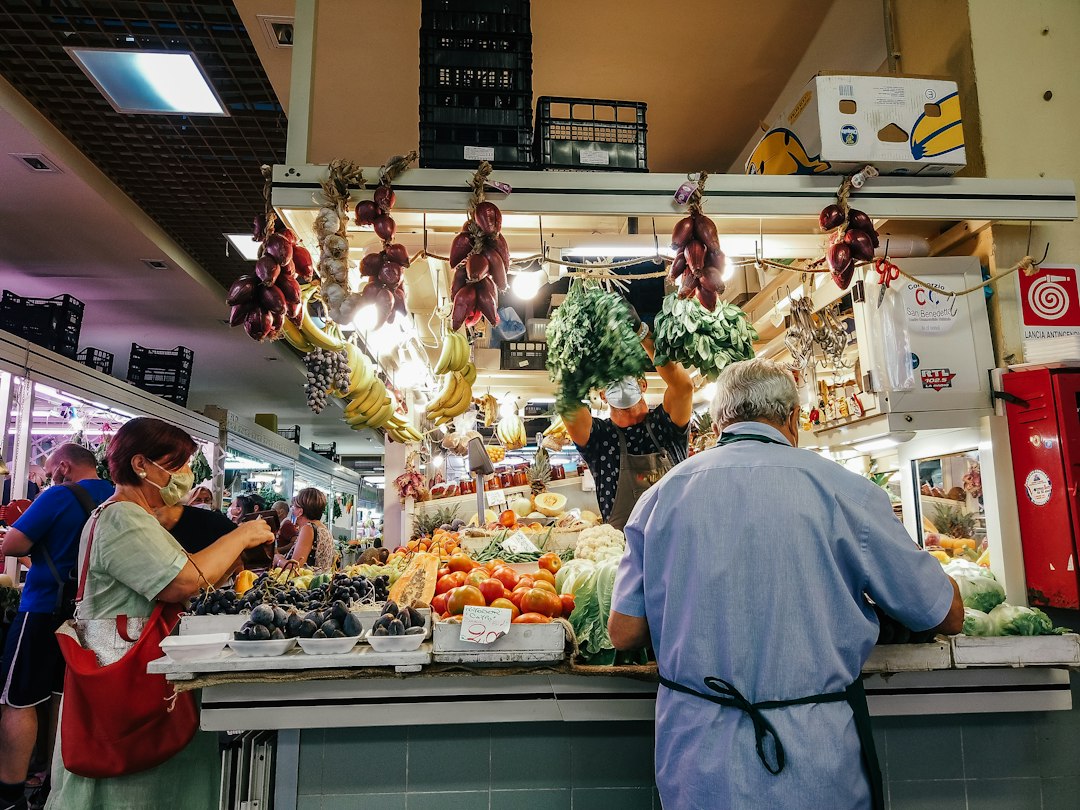
Cagliari’s cuisine tastes of the sea, toasted grain, saffron and bottarga. In autumn, with a slower rhythm, the table becomes a central part of the trip.
The dish to try is fregola, a small toasted semolina pasta often served with clams or seafood. Fresh fish takes centre stage in the trattorias of Marina: ask what the day’s catch is rather than ordering blind.
To see the city’s everyday side, San Benedetto Market is a must, with its fish counters, cheeses, bread and local produce. Go in the morning, when the market is at its liveliest.
Not to be missed at the table:
- fregola with clams;
- grey mullet bottarga on bread or pasta;
- grilled or baked fish, depending on the catch;
- pane carasau and Sardinian cheeses;
- sweets made with almonds, honey or ricotta.
A long lunch after visiting Castello, dinner in Marina after sunset: in Cagliari you eat well, and without hurrying.
On Board: The Crossing and Seafy Wi-Fi
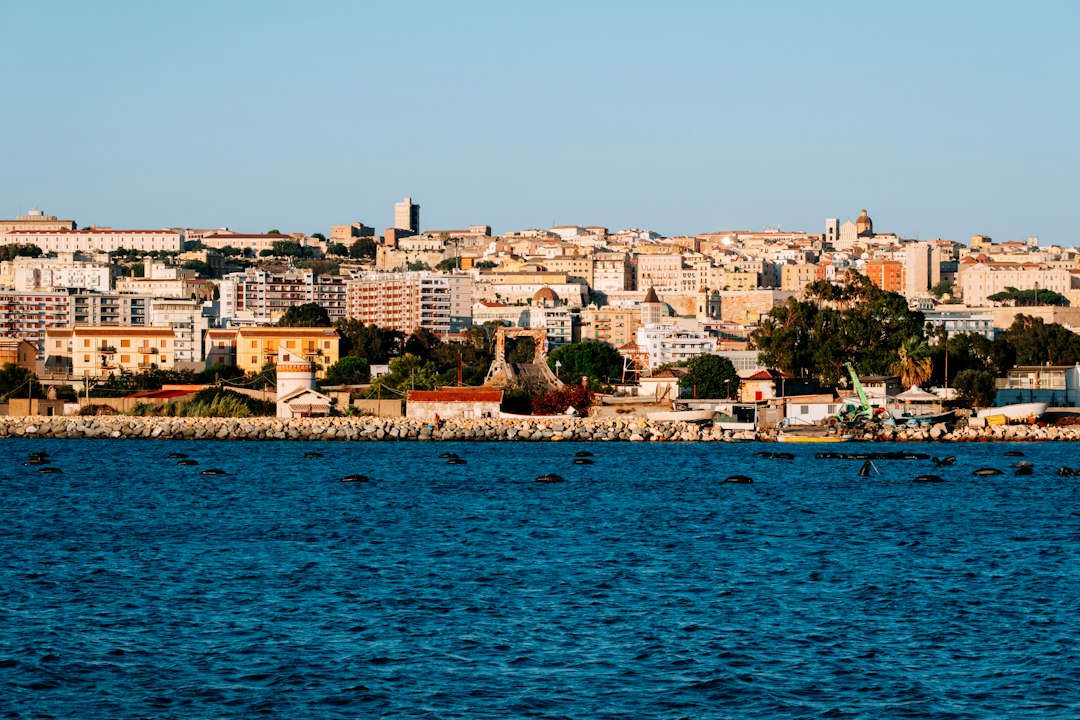
The crossing is where the holiday begins: the port slipping away, the wind on deck, Sardinia appearing on the horizon. In autumn the atmosphere on board is calmer, with plenty of time to read or watch the sea.
Cabins, lounges and services vary from ship to ship and are listed in your booking.
With Seafy Wi-Fi you stay connected during the crossing: messages, maps, bookings and an episode or two of your favourite series. It is also the right moment to prepare your arrival by saving a map of the districts, choosing a restaurant in Marina or checking the weather for Poetto.
Before you leave, keep your documents, a charger and a sweater for the deck within easy reach.
Find out how Seafy on-board Wi-Fi works and explore the available packages on seafy.com.
FAQ: Cagliari by Ferry in Autumn
Is Cagliari worth visiting in autumn?
Yes. The weather is often mild, there are fewer tourists and the city can be explored at an easy pace: a great time for the historic districts, Poetto, the flamingos of Molentargius and the local food.
How many days do you need in Cagliari?
Two or three days are enough for Castello, Marina, Stampace and Villanova, Poetto and Molentargius. With a few more days you can add museums and trips around southern Sardinia.
Is Cagliari port close to the city centre?
Yes, the port faces the Marina district. Much of the historic centre is within walking distance; with heavy luggage, taxis and buses are just a few steps away.
Where can you see flamingos in Cagliari?
In the Molentargius-Saline Regional Natural Park, behind Poetto beach. The cooler months are ideal for birdwatching: just stay on the paths and do not disturb the animals.
Can you swim at Poetto in October?
On calm, sunny days, yes, although the water is cooler than in summer. When it is windy or the weather turns, Poetto is still perfect for a long walk.
Do you need a car to visit Cagliari?
Not for the historic centre: the main districts are easy to explore on foot. A car, brought on the ferry, is useful for beaches and archaeological sites outside the city.
A Mediterranean Autumn, Taken Slowly
Cagliari welcomes those who arrive by sea with a port steps from the centre, Castello watching from above, Poetto open to the wind and lagoons dotted with flamingos. In autumn, everything feels closer and easier to enjoy.
For anyone looking for a less crowded Sardinia, both urban and deeply Mediterranean, Cagliari by ferry is the right choice: the journey itself gives you time and space to breathe.