Travel tips
Mediterranean ferry travel tips for smooth 2026 crossings
Master Mediterranean ferry travel in 2026 with expert tips on schedules, boarding, luggage, and staying connected. Navigate delays and enjoy smooth crossings.
18 March 2026
Mediterranean ferry travel tips for smooth 2026 crossings
Ferry travel across the Mediterranean can be unpredictable. Weather delays, chaotic boarding, and spotty connectivity often frustrate travelers hoping for a relaxing journey. Yet thousands of passengers navigate these routes successfully every year by following practical strategies. This guide shares expert-backed tips to help you manage schedules, boarding, luggage, and onboard amenities while staying connected throughout your 2026 Mediterranean crossing. You will learn how to anticipate delays, secure the best seats, choose the right ferry, and maintain reliable internet access at sea.
Table of Contents
- Navigating Mediterranean Ferry Schedules: Weather And Bookings
- Mastering The Boarding Process And Luggage Management
- Choosing Ferries And Enjoying Onboard Amenities With Connectivity
- Enhance Your Mediterranean Ferry Experience With Seafy
Key takeaways
| Point | Details |
|---|---|
| Monitor weather closely | Strong winds exceeding Beaufort 6-8 cause 70% of Mediterranean ferry delays, so check forecasts 48 hours ahead. |
| Arrive early for boarding | Arriving 45-60 minutes early helps you navigate chaotic boarding and secure outdoor deck seats with the best views. |
| Pack light and smart | Keep valuables onboard while storing large bags on vehicle decks to move easily through crowded ramps and stairs. |
| Choose larger ferries | Larger modern ferries provide better stability in rough seas and offer more amenities like cafes, lounges, and reliable Wi-Fi. |
| Book flexible tickets | Flexible tickets costing 8-12% more allow changes up to two hours before departure, protecting you from schedule volatility. |
Navigating Mediterranean ferry schedules: weather and bookings
Weather dominates Mediterranean ferry operations. Strong winds exceeding Beaufort 6-8 cause 70% of delays, especially during shoulder seasons when conditions shift rapidly. Checking forecasts from sources like the Hellenic National Meteorological Service and marine weather forecasting tools 48 hours before departure gives you advance warning of potential disruptions. Wind patterns can change quickly, turning a calm morning into an afternoon of canceled sailings.
Schedule accuracy varies wildly across Mediterranean ferry operators. Apps like Ferryhopper achieve only 74% accuracy, making digital tools unreliable as your sole information source. Physical port signs often reflect real-time updates faster than websites or mobile applications. Use the Triple-Source Rule: verify your departure via the operator’s official website, port authority updates, and a direct phone call to confirm timing. This redundancy protects you from missing your ferry due to outdated information.
Booking strategies matter significantly for Mediterranean travel. During peak season from July through August, reserve tickets weeks in advance to secure space and preferred departure times. Shoulder seasons offer more last-minute availability but bring greater schedule volatility due to weather. Flexible tickets that allow changes up to two hours before departure typically cost 8-12% more than standard fares, yet this investment protects you from losing money when delays force itinerary adjustments. EU passenger rights provide €250-400 compensation for delays exceeding 90 minutes, giving you financial protection when operators fail to deliver on schedule.
Pro Tip: Set weather alerts for your departure port 72 hours before travel. This early warning system lets you adjust plans before tickets become non-refundable.
- Check multiple weather sources, not just general forecasts
- Call the ferry operator directly the morning of departure
- Screenshot your booking confirmation in case digital systems fail
- Research alternative routes if your primary ferry cancels
Mastering the boarding process and luggage management
Mediterranean ferry boarding resembles organized chaos more than orderly queues. Vehicle passengers board first, followed by foot passengers in a system that rewards assertiveness over patience. Line-cutting happens frequently, and staff rarely enforce strict order. Arriving 45-60 minutes early positions you near the front when gates open, dramatically improving your chances of securing outdoor deck seats with panoramic views and fresh air.
Print your tickets before arriving at the port. Digital ticketing systems occasionally fail due to connectivity issues or software glitches, leaving passengers scrambling at check-in counters. Paper backups eliminate this risk entirely. Keep your printed confirmation and identification easily accessible in a front pocket or small bag rather than buried in luggage. This preparation speeds you through the boarding process while others fumble with phones and documents.
Luggage management requires strategic thinking on ferries. Large bags typically get stored on vehicle decks, accessible only at your destination. Keep valuables, medications, electronics, and comfort items in a smaller carry-on bag that stays with you throughout the journey. Navigating narrow stairs, crowded hallways, and outdoor decks becomes much easier when you travel light. Pack essentials like sunscreen, hats, headphones, motion sickness remedies, and light layers for temperature changes between air-conditioned interiors and sunny decks.

Seasickness affects many travelers on smaller vessels or during rough weather. Sitting mid-ship where motion feels less pronounced reduces nausea significantly. Larger ferries provide inherently more stable rides than smaller boats, making vessel size an important booking consideration if you struggle with motion sickness. For more guidance on managing your onboard experience, explore passenger luggage and mobility guidance that covers accessibility and comfort strategies.
Pro Tip: Pack a small dry bag for electronics and documents when traveling on outdoor decks. Sea spray can damage phones and passports faster than you expect.
- Wear comfortable shoes for navigating stairs and metal ramps
- Bring a refillable water bottle to stay hydrated without buying overpriced drinks
- Keep a light jacket accessible for air-conditioned indoor spaces
- Download entertainment before boarding in case Wi-Fi disappoints
Choosing ferries and enjoying onboard amenities with connectivity
Ferry size dramatically impacts your travel experience. Larger modern ferries cut through choppy Mediterranean waters with far greater stability than smaller vessels, reducing motion sickness and creating a more comfortable ride. These ships typically feature multiple amenities including cafes, lounges, outdoor decks, and cabins for overnight crossings. Food quality onboard rarely impresses, but outdoor seating with fresh sea air and panoramic views transforms mediocre meals into enjoyable experiences.
Connectivity options have improved substantially across Mediterranean ferry routes. Wi-Fi speeds ranging 10-50 Mbps via satellite connections now support everything from basic messaging to video streaming, depending on your service package. Operators offer tiered plans: budget options for chat and email, mid-range packages for web browsing and social media, and premium tiers for streaming entertainment or video calls. Staying connected enhances your journey by enabling work, entertainment, and communication during crossings that can last several hours.
| Ferry Type | Stability | Amenities | Wi-Fi Quality | | — | — | — | | Small vessels | Poor in rough seas | Minimal, basic seating | Unreliable or absent | | Mid-size ferries | Moderate stability | Cafe, indoor lounge | 10-20 Mbps, chat focused | | Large modern ships | Excellent stability | Multiple cafes, cabins, decks | 30-50 Mbps, streaming capable |
Onboard entertainment options expand significantly when you have reliable internet. Streaming music, catching up on shows, or video chatting with family makes long crossings feel shorter. Business travelers can respond to emails, join conference calls, or complete light work tasks without losing productivity. Understanding the benefits of high-speed ferry Wi-Fi helps you choose operators and packages that match your connectivity needs.
Cabin accommodations on overnight ferries range from basic reclining seats to private rooms with beds and bathrooms. Booking cabins early secures better options and prices, especially during summer peak season. Even on day crossings, reserved seating areas provide quieter spaces away from crowded general admission sections. Some ferries designate quiet zones where noise restrictions apply, perfect for reading, working, or napping during your journey.
Pro Tip: Research which ferry operators offer the fastest Wi-Fi before booking. Checking ferry internet best practices helps you maximize connectivity and avoid frustration at sea.
- Compare ferry operators on vessel size and amenities, not just price
- Book morning departures for calmer seas and better weather
- Bring snacks from shore if food quality matters to you
- Test Wi-Fi immediately after boarding to troubleshoot connection issues early
Enhance your Mediterranean ferry experience with Seafy
Staying connected transforms Mediterranean ferry travel from isolated transit into productive, entertaining journeys. Wi-Fi on board with Seafy delivers reliable high-speed internet designed specifically for maritime environments, ensuring you maintain connectivity throughout your crossing. Whether you need to work remotely, stream entertainment, or simply stay in touch with family, Seafy offers affordable packages tailored to your specific needs.
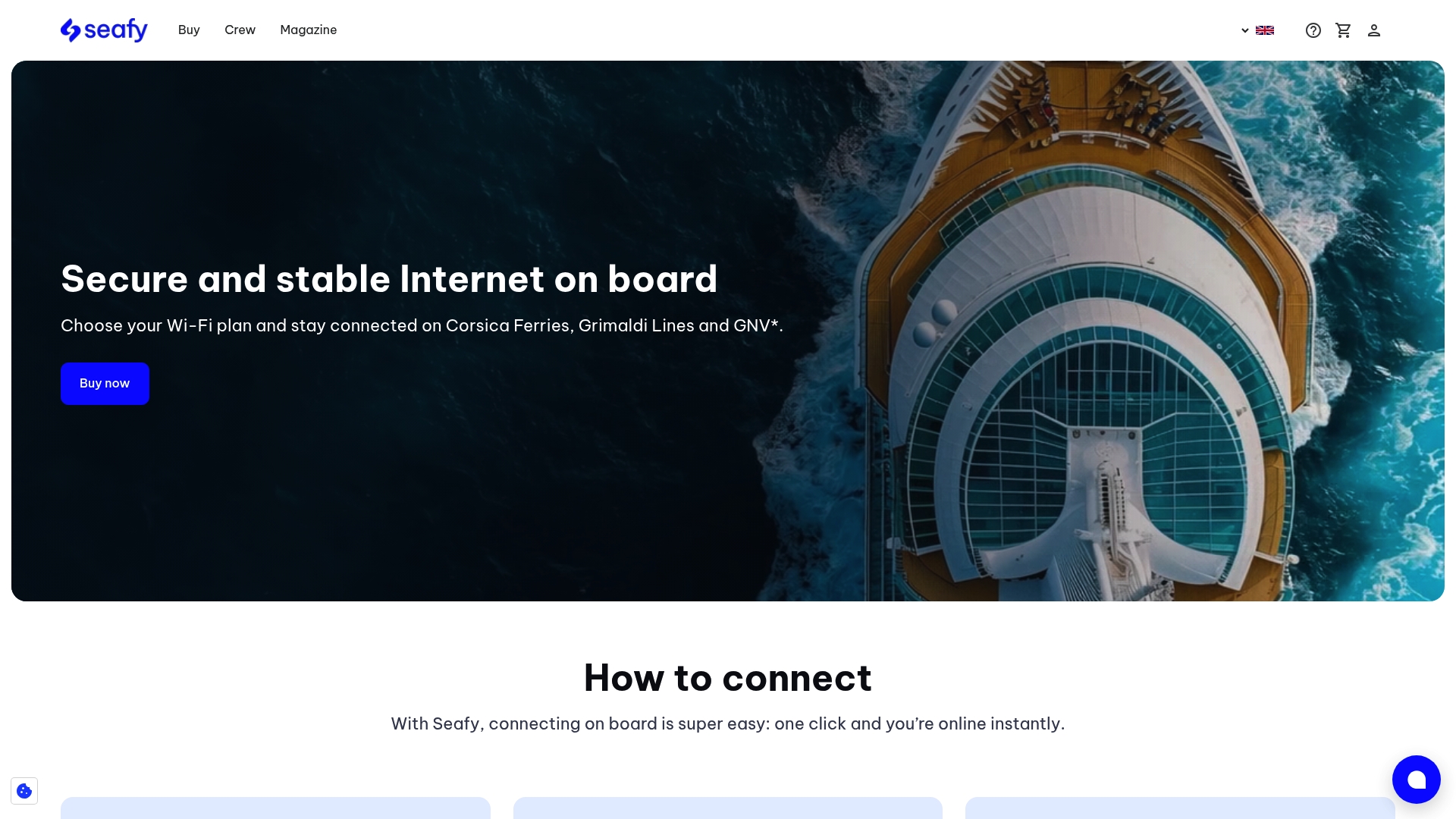
Seafy partners with major Mediterranean ferry operators to provide seamless connectivity from the moment you board. Affordable service tiers range from basic messaging packages to premium streaming options, letting you choose coverage that matches your budget and usage patterns. Activating your Seafy Wi-Fi package before departure eliminates onboard hassles and ensures immediate connectivity when you step aboard. This preparation lets you focus on enjoying your journey rather than troubleshooting connection problems while the ferry pulls away from port.
FAQ
How early should I arrive at the Mediterranean ferry port?
Arrive at least 45-60 minutes before your scheduled departure, particularly for Greek island ferries where boarding processes can be chaotic. Early arrival gives you time to navigate check-in procedures, secure favorable seating locations, and board without stress. Vehicle passengers receive priority boarding, so foot passengers benefit even more from arriving early to claim good spots once gates open.
What is the best way to check if my ferry is on time?
Verify your schedule through three independent sources: the operator’s official website, port authority updates, and a direct phone call to the ferry company. This Triple-Source Rule provides the most reliable confirmation since mobile apps achieve only 74% accuracy. Physical departure boards at the port often reflect real-time changes faster than digital platforms.
Are there any tips for managing luggage onboard Mediterranean ferries?
Pack as lightly as possible to navigate crowded ramps, stairs, and narrow corridors with ease. Mediterranean ferries impose no strict weight limits, but large bags typically get stored on vehicle decks away from passenger areas. Keep valuables, medications, electronics, and comfort essentials in a smaller carry-on bag that stays with you throughout the journey. For additional guidance on managing mobility and luggage, review passenger luggage and mobility guidance tailored to ferry travel.
How reliable is Wi-Fi on Mediterranean ferries in 2026?
Satellite internet provides 10-50 Mbps speeds on most modern Mediterranean ferries, with performance varying by vessel size and service package. Budget tiers support messaging and email, while premium packages enable video streaming and conference calls. Connection stability has improved significantly compared to previous years, though weather conditions and passenger load can still affect performance. Understanding the importance of ferry internet speeds helps you select appropriate service tiers for your connectivity needs.