Tech & Wi-Fi
Sardinia Ports and Grimaldi Connections: What Matters
Sardinia ports and Grimaldi Lines: discover port options, routes, check-in, and onboard Wi-Fi essentials for digital nomads and remote professionals.
26 February 2026
Sardinia Ports and Grimaldi Connections: What Matters
Missing a deadline because of spotty internet is every remote worker’s nightmare, especially when your office floats somewhere between Italy and Sardinia. Ferry ports on Sardinia are not just points on a map—they are vital gateways shaping your trip and powering the island’s economy, generating approximately 3% of Sardinia’s total employment. Understanding which port you’ll use and what digital amenities it offers means less stress and a smoother Grimaldi Lines journey for your work-life balance.
Table of Contents
- Sardinia Ferry Ports And Their Key Roles
- Economic Impact And Your Connection
- Key Sardinian Ports You’ll Encounter
- What Port Choice Means For Your Trip
- Types Of Grimaldi Lines Connections To Sardinia
- Main Grimaldi Routes To Sardinia
- Route Duration And Your Work Schedule
- Frequency And Seasonal Considerations
- Booking And Connection Flexibility
- What To Expect Onboard Grimaldi Ferries
- Cabin Accommodations And Comfort
- Dining And Food Services
- Wi-Fi And Connectivity For Remote Work
- Recreation And Entertainment Zones
- Planning Your Onboard Schedule
- Check-In, Boarding, And Wi-Fi Requirements
- Check-In And Boarding Process
- What Documents You’ll Need
- Wi-Fi Setup And Connectivity
- Wi-Fi Package Options For Your Needs
- Critical Tips For Remote Work And Connectivity
- Optimize Your Work Schedule Around Connectivity
- Backup Everything Locally Before Boarding
- Location Strategy Onboard
- Battery Management And Power Access
- Communication Expectations With Clients
- Critical Tasks To Complete Before Departure
Key Takeaways
| Point | Details |
|---|---|
| Port Selection Matters | Choose larger ports like Cagliari, Olbia, or Porto Torres for better amenities, connectivity, and service. |
| Economic Impact | Sardinia’s ferry ports significantly contribute to local employment, influencing infrastructure investments. |
| Booking Flexibility | Book ferry passages at least two weeks in advance for better options, particularly for overnight routes. |
| Work Connectivity | Optimize work tasks around peak connectivity periods onboard and prepare for limited access to internet. |
Sardinia Ferry Ports and Their Key Roles
Sardinia’s eight main ports form the backbone of the island’s connectivity and economic health. These aren’t just docking points—they’re vital gateways connecting you to the mainland and beyond across the Mediterranean.
The Sardinian Sea Port Authority manages these strategic hubs with a mandate that goes beyond simple logistics. They oversee operations at Cagliari, Olbia, Porto Torres, and five other ports, handling everything from safety regulations to infrastructure upgrades.
If you’re planning a Grimaldi Lines journey, understanding port roles matters for your travel experience. Grimaldi operates to multiple Sardinian terminals, each with distinct characteristics and services.
Economic Impact and Your Connection
These ports generate approximately 3% of Sardinia’s total employment, which sounds modest until you consider municipal-level impacts—some harbor communities see over 8% of jobs linked to port activities. This economic weight shapes infrastructure investment and service quality at each terminal.
For remote workers and professionals traveling by ferry, this translates to real-world infrastructure upgrades. Ports receiving development funding tend to offer better facilities, including modern terminal buildings with seating areas, charging stations, and connectivity options.
Sardinian ports act as pivotal nodes linking the island to continental and international maritime routes, supporting both commercial and passenger traffic across the Mediterranean.
Key Sardinian Ports You’ll Encounter
Each port serves different routes and serves different purposes:
- Cagliari (south)—largest port, handles most international passenger routes
- Olbia (northeast)—primary gateway for Costa Smeralda travelers
- Porto Torres (northwest)—serves mainland Italian connections
- Arbatax, Orosei, La Maddalena, Portoscuso, and Carloforte—smaller but strategically important ports
Grimaldi typically operates from the larger terminals (Cagliari, Olbia, Porto Torres), so these are your most likely departure points.
Here’s a comparison of Sardinia’s main ferry ports by their features, importance, and traveler convenience:
| Port Name | Main Function | Local Economic Impact | Facilities for Remote Workers |
|---|---|---|---|
| Cagliari | International gateway | Highest job concentration | Modern terminals, strong Wi-Fi |
| Olbia | Costa Smeralda access | Major regional employer | Large terminal, charging stations |
| Porto Torres | Mainland Italy connector | Key local employer | Upgraded lounges, Wi-Fi improvements |
| Arbatax | Domestic and freight focus | Smaller economic driver | Basic amenities, limited Wi-Fi |
| Orosei | Niche/seasonal routes | Local jobs boost seasonally | Minimal digital workspace options |
| La Maddalena | Island shuttles | Critical in small markets | Small waiting area, limited Wi-Fi |
| Portoscuso | Industrial shipping | Supports local industry | Basic infrastructure |
| Carloforte | Island/local transport | Vital to island economy | Small terminal, essential services |
What Port Choice Means for Your Trip
Port selection affects more than just geography. Terminal facilities, departure times, onboard amenities, and Wi-Fi quality can differ between locations. Larger ports typically offer better passenger amenities and more robust digital infrastructure.

When booking your ferry passage, consider that port infrastructure quality directly influences your onboard experience. Some ports have better terminal Wi-Fi while vessels are docked, which matters if you’re working remotely before embarkation.
The Sardinian Sea Port Authority’s strategic direction and planning means investments in passenger experience are ongoing, though modernization varies by port.
Planning Your Ferry Arrival
Your port assignment determines parking access, ground transportation options, and terminal layouts. Cagliari offers the most developed infrastructure, while smaller ports may require more ground arrangements.
Know your assigned port before travel day. This prevents confusion and lets you arrange ground transportation accordingly, especially if you’re arriving without rental car plans.
Pro tip: Check your Grimaldi booking confirmation for the specific departure port assignment, then research that port’s ground transportation options (shuttle buses, taxis, rental car facilities) at least one week before travel—this eliminates last-minute surprises and keeps your remote work schedule on track.
Types of Grimaldi Lines Connections to Sardinia
Grimaldi Lines operates multiple ferry connections to Sardinia, each designed for different travel needs and schedules. Understanding your connection options helps you choose the route that fits your work schedule and connectivity requirements.

The company runs both short-haul and longer overnight routes depending on your departure point. These vary in duration, departure times, and onboard amenities, so route selection matters for remote workers planning ferry travel.
Main Grimaldi Routes to Sardinia
Grimaldi’s primary Sardinian connections include:
- Civitavecchia (Rome) to Olbia—overnight crossing, approximately 12-14 hours
- Savona (Genoa) to Olbia—overnight crossing, approximately 13-15 hours
- Civitavecchia to Cagliari—longer overnight route, approximately 14-15 hours
- Seasonal routes—summer connections vary by year and demand
Each route connects different Italian ports to Sardinian destinations, so your embarkation point depends on your location.
Route Duration and Your Work Schedule
Overnight ferries mean you’ll spend your transit time onboard. This is either lost productivity or valuable working time—depending on connectivity quality. Longer routes (14+ hours) give you more time to work remotely, while shorter crossings (12 hours) require tighter scheduling.
Onboard amenities and connectivity features vary across Grimaldi vessels, affecting your ability to maintain work momentum during transit.
Know your departure and arrival times before booking. This prevents schedule conflicts and lets you plan work sessions around meal times and rest periods.
Compare Grimaldi’s ferry route types and what they mean for remote work productivity:
| Route Type | Typical Duration | Onboard Work Potential | Best For |
|---|---|---|---|
| Short-haul daytime | 6-8 hours | Limited, busy public spaces | Quick crossings |
| Standard overnight | 12-15 hours | High, cabins available | Remote professionals |
| Seasonal connections | Varies by route | Moderate, crowd dependent | Flexible travelers |
| Multi-port connections | Long, variable | Interrupted work periods | Extended journeys |
Frequency and Seasonal Considerations
Grimaldi operates year-round connections, but frequency and route availability shift seasonally. Summer months (June-September) see increased departures, while winter schedules are more limited.
This matters if you’re planning regular ferry trips for remote work. Seasonal route changes can disrupt established routines, so advance booking and flexibility help.
Grimaldi Lines provides both direct and occasional multi-port connections to Sardinia, accommodating various departure locations across mainland Italy.
Booking and Connection Flexibility
You can book through Grimaldi’s website or various travel platforms. Some connections allow vehicle transport, which affects cabin availability and pricing.
For professionals traveling frequently, consider loyalty options if they exist. Regular ferry users sometimes access booking discounts or preferred cabin selections.
Pro tip: Book your Grimaldi crossing at least two weeks in advance, particularly for overnight routes, and select cabins with interior access away from engine vibration—this minimizes sleep disruption and keeps you fresh for remote work the next day.
What to Expect Onboard Grimaldi Ferries
Grimaldi ferries are designed to make your overnight crossing feel more like a short vacation than a transportation ordeal. You’ll find comfortable accommodations, multiple dining options, and entertainment venues that transform transit time into leisure time.
For remote professionals, understanding onboard amenities helps you maximize productivity or rest depending on your priorities. The ferries cater to different traveler types, so facilities vary by vessel and route.
Cabin Accommodations and Comfort
Grimaldi offers various cabin categories, from budget-friendly interior rooms to premium suites with ocean views. Most cabins include private bathrooms, climate control, and comfortable beds—essential for quality sleep during overnight crossings.
Cabin selection matters for your work-rest balance. Interior cabins are quieter and more affordable, while ocean-view cabins offer scenic breaks during the day.
Your cabin assignment includes onboard check-in procedures upon boarding. Arrive early to secure your cabin and settle in before exploring other amenities.
Dining and Food Services
Multiple restaurants and cafes operate throughout the vessel, offering everything from casual buffets to sit-down dining experiences. Meal times are flexible, so you can eat when convenient for your schedule.
Breakfast, lunch, and dinner are typically available, with some options included in your ticket and others available for purchase. Budget accordingly if you plan multiple meal purchases.
Grimaldi ferries provide comfortable accommodations, dining, entertainment, and shopping designed to make your journey enjoyable and seamless.
Wi-Fi and Connectivity for Remote Work
Staying connected at sea requires reliable onboard internet. Wi-Fi connectivity is available through Seafy, allowing you to work, communicate, or stream during your voyage.
Connection strength varies depending on your location onboard and current satellite coverage. Public spaces typically offer better signal than cabins.
Purchase your Wi-Fi package before boarding or during the voyage through the onboard portal. Standard packages cover work email and browsing, while premium options support video calls and streaming.
Recreation and Entertainment Zones
Grimaldi vessels feature various entertainment options:
- Relaxation zones—quiet areas for rest and reading
- Play areas—for families with children
- Shopping—duty-free shopping and gift shops
- Observation decks—outdoor areas with Mediterranean views
- Evening entertainment—live shows and DJ events vary by vessel
These spaces let you decompress or stay engaged depending on your mood and energy level.
Planning Your Onboard Schedule
Your ferry crossing works best when you plan how you’ll spend your time. Remote professionals should identify quiet work spaces before the voyage starts.
Public lounges with seating are ideal for focused work, while cabin work suits lighter tasks. Mix work sessions with meals and relaxation to maintain productivity without burnout.
Pro tip: Identify the quietest work area onboard during your first hour—typically upper-deck lounges away from dining venues—and test your Wi-Fi connection strength before settling into your work routine.
Check-In, Boarding, and Wi-Fi Requirements
Getting onboard a Grimaldi ferry involves straightforward procedures, but timing and preparation matter for remote workers who need immediate connectivity. Understanding check-in processes and Wi-Fi setup prevents delays and keeps your schedule on track.
Arrive at the terminal at least two hours before departure. This buffer gives you time to check in, locate your cabin, and test your internet connection before settling into work.
Check-In and Boarding Process
Grimaldi check-in typically happens 90 minutes to two hours before departure. You’ll present your booking confirmation and identification documents at the terminal reception desk.
The process moves quickly for most passengers. Have your documents ready and know your cabin number to speed things along.
After check-in, follow signs to the boarding area. Staff will direct you to your designated boarding time and route to the correct deck and cabin.
What Documents You’ll Need
Prepare these items before arriving at the terminal:
- Valid passport or national ID card
- Booking confirmation with reference number
- Vehicle documents (if transporting a car)
- Any special accommodation requests or medical documentation
- Travel insurance documents (recommended)
Keep originals in an accessible pocket, not buried in luggage. Security and efficiency depend on quick document verification.
Wi-Fi Setup and Connectivity
Once onboard, locate the Wi-Fi portal to purchase and activate your internet package. Connection options typically include hourly, daily, or weekly passes depending on your voyage length.
Troubleshooting Wi-Fi connection issues onboard becomes important if you encounter signal problems in your cabin. Move to public areas if connection drops—upper decks and lounges typically offer stronger signals.
Test your Wi-Fi immediately after purchase. Don’t wait until you need to work to discover connectivity problems.
Wi-Fi Package Options for Your Needs
Different work styles require different packages:
- Hourly passes—light browsing and email
- Daily passes—full workday with video calls
- Weekly passes—extended voyages with heavy usage
- Premium packages—streaming-quality speeds for all applications
Choose based on your planned activities. Email and document editing work fine on standard packages, while video conferencing needs higher bandwidth.
Proper preparation during check-in and early Wi-Fi activation ensures you stay connected throughout your journey without technical surprises.
Pre-Departure Setup Timeline
Follow this sequence after boarding:
- Locate your cabin and deposit luggage
- Find the Wi-Fi portal location (usually near reception)
- Purchase your internet package immediately
- Test connection in multiple onboard locations
- Configure email and work applications
- Relax before departure once everything works
This 30-45 minute process prevents connectivity crises later.
Pro tip: Purchase a daily Wi-Fi pass immediately upon boarding and test it from your cabin before unpacking—this identifies signal weakness early, giving you time to request a cabin change or plan to work from public lounges instead of your cabin.
Critical Tips for Remote Work and Connectivity
Working remotely aboard a Grimaldi ferry requires intentional planning and realistic expectations. Maritime internet operates differently than land-based connections, so strategies that work at your home office won’t automatically transfer to a moving vessel.
The key difference is accepting that your onboard connection is a resource to manage, not a utility you can take for granted. This mindset shift changes how you approach your work schedule and productivity goals.
Optimize Your Work Schedule Around Connectivity
Plan your work tasks by connectivity intensity rather than by time of day. Save bandwidth-heavy work for periods when you know connection is strongest—typically midday when fewer passengers are online.
Schedule video calls and large file uploads during these peak connectivity windows. Reserve lighter work like email, document editing, and reading for times when signal weakens.
How to work remotely on a ferry requires understanding these connectivity patterns and adjusting your expectations accordingly.
Backup Everything Locally Before Boarding
Never rely solely on cloud access during your voyage. Download all files, documents, and resources you’ll need directly to your device before boarding.
This eliminates dependency on continuous connectivity and lets you work productively even during connection drops. You can sync updates once you reach port.
Location Strategy Onboard
Connection strength varies dramatically across the vessel. Test your signal in multiple locations during your first hour onboard.
Public lounges, observation decks, and designated work areas typically offer stronger signals than cabins or engine-side locations. Move strategically if your work requires sustained connectivity.
Battery Management and Power Access
Work time at sea is limited by battery life and charging opportunities. Identify charging stations near your preferred work areas and monitor battery percentage throughout your day.
Bring a portable power bank as backup. This prevents forced work interruptions when battery depletes unexpectedly.
Treating maritime connectivity as a premium resource—rather than a guaranteed utility—transforms your ferry voyage from a connectivity crisis into manageable workflow.
Communication Expectations with Clients
Notify clients and colleagues before your voyage that you’ll have limited connectivity. Establish response time expectations and preferred communication methods that don’t require real-time interaction.
Email works better than instant messaging during ferry travel. Set expectations that video calls must occur during specific scheduled windows.
Critical Tasks to Complete Before Departure
Handle these essentials before boarding:
- Submit time-sensitive deliverables
- Download all required files and resources
- Schedule automatic email responses
- Notify clients of your limited availability
- Update project management tools with status
- Establish backup contact methods
This preparation prevents work crises during your voyage.
Pro tip: Complete your most critical work tasks during the first four hours onboard while your focus is fresh and before connectivity degrades—this ensures your most important deliverables are submitted before potential internet issues arise.
Stay Seamlessly Connected on Your Sardinia Ferry Journey with Seafy
Navigating Sardinia ferry ports and Grimaldi Lines connections means dealing with variable terminal facilities and onboard internet quality that can impact your travel and remote work experience. The article highlights key challenges such as fluctuating Wi-Fi strength, the importance of early Wi-Fi setup, and the need for stable connectivity during overnight routes. For remote professionals and travelers who cannot afford downtime, Seafy offers a reliable digital solution designed to keep you connected throughout your maritime voyage. With seamless integration through partners like Grimaldi Lines, travelers gain access to dependable high-speed Wi-Fi, empowering productivity, communication, and entertainment even while at sea.
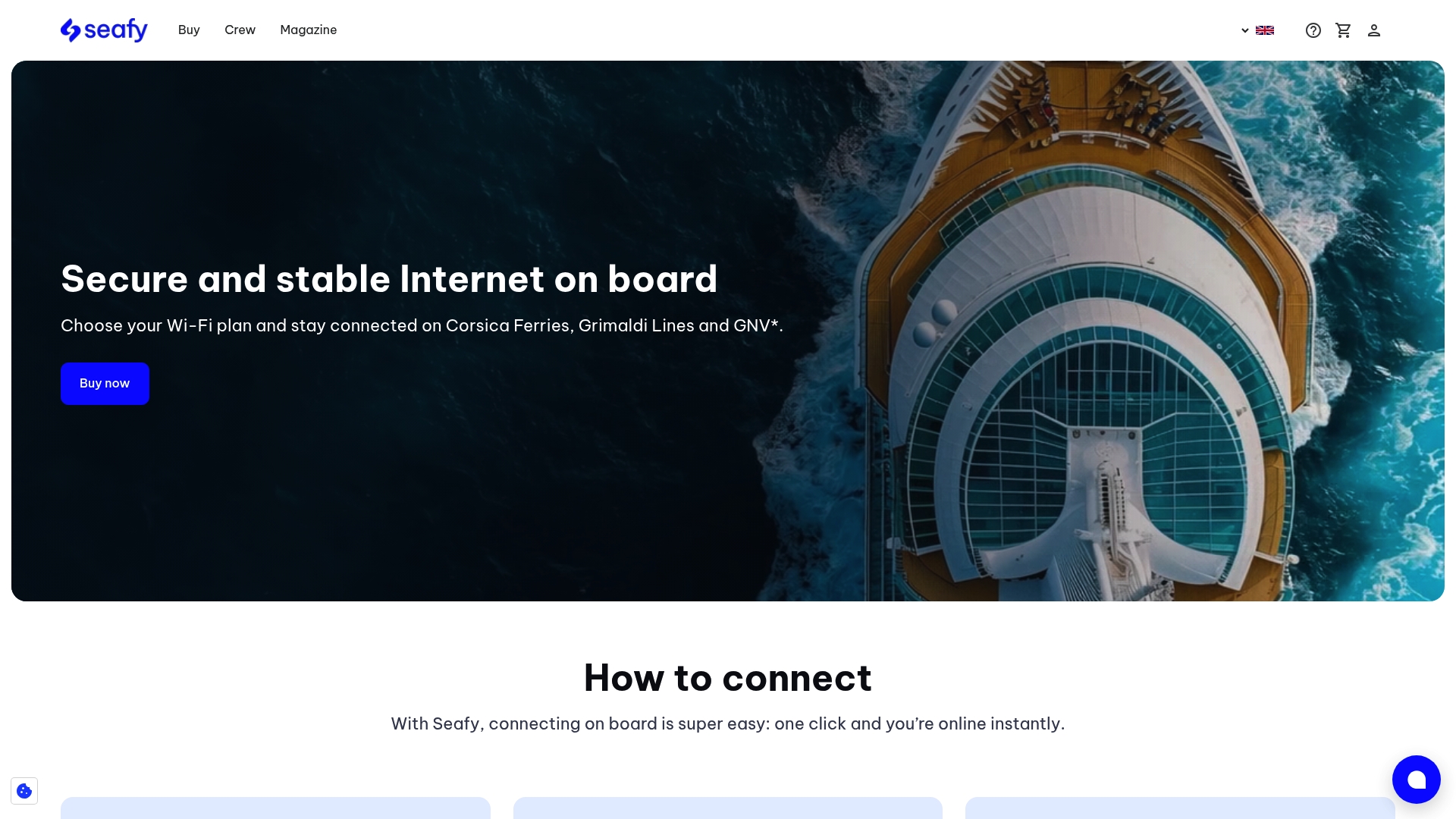
Don’t let port limitations or onboard internet frustrations disrupt your plans. Discover how Seafy’s easy-to-use platform and flexible Wi-Fi packages can enhance your onboard experience at Sardinia ferry ports. Act now to secure your connection before departure by visiting Seafy’s website and learn more about staying productive and connected during your ferry crossing by exploring onboard experiences with Grimaldi Lines. Prepare ahead with reliable Wi-Fi and keep your remote work flowing smoothly—start your seamless maritime journey today with Seafy.
Frequently Asked Questions
What are the main ferry ports in Sardinia?
Sardinia has eight main ferry ports, including Cagliari, Olbia, Porto Torres, Arbatax, Orosei, La Maddalena, Portoscuso, and Carloforte. Cagliari, Olbia, and Porto Torres serve as the primary international and domestic gateways, while the other ports accommodate various routes.
How does the choice of port affect my travel experience?
The choice of port can influence your travel experience due to differences in terminal facilities, departure times, and onboard amenities. Larger ports generally offer better passenger services and connectivity options, which can impact comfort and convenience during your journey.
What types of ferry connections does Grimaldi Lines offer to Sardinia?
Grimaldi Lines offers both short-haul and overnight ferry connections to Sardinia, including routes from Civitavecchia to Olbia and Cagliari. The duration of these crossings can vary, so it’s important to choose a route that fits your travel and work schedule.
Are there facilities for remote work on Grimaldi ferries?
Yes, Grimaldi ferries provide various amenities for remote work, including comfortable cabin accommodations, dining options, and Wi-Fi connectivity. However, it’s advisable to test the Wi-Fi connection and choose your workspace wisely to ensure a productive environment during your crossing.