Tech & Wi-Fi
French Riviera ferry guide: seamless travel with Corsica Ferries
Discover how to plan seamless French Riviera ferry travel with Corsica Ferries. Routes, onboard Wi-Fi, itinerary tips, and booking strategies for 2026.
25 March 2026
French Riviera ferry guide: seamless travel with Corsica Ferries
Most travelers imagine ferry journeys as slow, disconnected experiences, but modern ferry routes along the French Riviera have transformed into efficient, connected travel options. Corsica Ferries now offers reliable routes linking iconic coastal destinations with high-speed Wi-Fi keeping you productive or entertained throughout your crossing. This comprehensive guide walks you through route options, onboard amenities, itinerary planning strategies, and essential booking tips to maximize your French Riviera ferry experience. Whether you’re combining beach exploration with cultural stops or simply seeking a relaxing maritime journey, you’ll discover how ferry travel delivers unique advantages over traditional transport methods.
Table of Contents
- Key takeaways
- Corsica Ferries routes along the French Riviera
- Onboard experience and connectivity advantages
- Planning your itinerary: combining ferry routes and shore excursions
- Essential tips for a smooth ferry trip with Corsica Ferries
- Discover seamless ferry travel with Seafy
- Frequently asked questions
Key Takeaways
| Point | Details |
|---|---|
| Riviera routes network | Corsica Ferries links Nice, Saint Tropez, and Corsican ports to offer flexible travel along the coast. |
| Onboard WiFi | High speed internet keeps you connected for work or leisure during crossings. |
| Plan with schedules | Understanding seasonal schedules, port facilities, and booking windows makes planning straightforward. |
| Combine routes for itineraries | Blending ferry legs with shore excursions creates a rich coastal and cultural travel experience. |
| Book early use apps | Booking ahead and using mobile apps for real time updates helps avoid common travel pitfalls. |
Corsica Ferries routes along the French Riviera
Corsica Ferries provides regular ferry services connecting major ports such as Nice, Saint-Tropez, and Corsican destinations, creating a network that transforms how travelers experience Mediterranean coastal regions. The primary routes link mainland France with Corsica, offering both practical transportation and scenic maritime journeys. Nice serves as the busiest departure point, with multiple daily sailings to Bastia, Ajaccio, and Calvi during peak season. Toulon provides another major hub with frequent connections to Bastia and Ile Rousse. Saint-Tropez offers seasonal routes primarily during summer months, catering to travelers seeking direct access to Corsican beaches.
Crossing durations vary significantly based on route and vessel type. Nice to Bastia typically takes 5 to 6 hours, while Toulon to Ajaccio requires approximately 6 to 7 hours. Shorter crossings like Nice to Calvi can be completed in under 4 hours, making day trips feasible for travelers with tight schedules. Ferry frequency increases dramatically from May through September, with some routes offering daily departures. Off-season travel sees reduced schedules, often limited to 3 to 4 sailings per week on popular routes.
Reservation strategies matter considerably for French Riviera ferry travel. Summer bookings should be secured 8 to 12 weeks in advance, particularly for vehicle transport or cabin accommodations. Flexible travelers can find last-minute deals during shoulder seasons, though vehicle availability becomes unpredictable. Online booking through official channels guarantees best pricing and allows easy modification of travel dates.
Advantages of ferry travel over alternative transport:
- Vehicle transport capability eliminates car rental costs and provides freedom to explore remote areas
- Scenic maritime routes offer unique coastal perspectives unavailable from air or land travel
- Spacious accommodations with dining, lounges, and outdoor decks create comfortable journey experiences
- Cost effectiveness for families or groups traveling together with vehicles
- Environmental benefits compared to short-haul flights between mainland and island destinations
| Route | Departure Port | Arrival Port | Duration | Peak Season Frequency |
|---|---|---|---|---|
| Nice to Bastia | Nice | Bastia | 5-6 hours | Daily |
| Toulon to Ajaccio | Toulon | Ajaccio | 6-7 hours | Daily |
| Nice to Calvi | Nice | Calvi | 3.5-4 hours | 4-5 weekly |
| Toulon to Bastia | Toulon | Bastia | 5.5-6.5 hours | Daily |
| Nice to Ile Rousse | Nice | Ile Rousse | 4-5 hours | 3-4 weekly |
Onboard experience and connectivity advantages
Corsica Ferries offers enhanced Wi-Fi connectivity to keep passengers online throughout their journey, addressing one of the most common concerns travelers express about maritime travel. Modern satellite technology delivers stable internet access even in open waters, enabling video calls, streaming entertainment, and remote work capabilities. Connection speeds typically support standard browsing, email, and social media with minimal interruption. Heavier bandwidth activities like large file downloads or high-definition streaming may experience occasional slowdowns during peak usage periods.
Beyond connectivity, Corsica Ferries vessels provide diverse amenities designed for comfort during multi-hour crossings. Seating options range from standard airline-style chairs to reclining lounges and private cabins for overnight journeys. Dining facilities include self-service restaurants, cafeterias, and bars offering Mediterranean cuisine and snacks. Outdoor deck areas allow passengers to enjoy sea breezes and coastal views, particularly appealing during sunset crossings. Children’s play areas and entertainment zones keep younger travelers occupied throughout the journey.

Pro Tip: Purchase your Wi-Fi package before boarding rather than waiting until you’re onboard. Pre-booking often provides better rates and eliminates the hassle of setting up connectivity while managing luggage and finding your seat. Download any essential work files or entertainment content before departure as a backup plan.
Internet access transforms ferry travel from passive transit time into productive or enjoyable hours. Remote workers can maintain their schedules without losing a full day to travel. Families can stream movies or play online games together. Social media enthusiasts can share real-time updates and photos of their maritime journey. The ability to stay connected also provides practical benefits like checking weather forecasts, researching destination activities, or making last-minute accommodation adjustments.
Additional onboard amenities enhancing passenger experience:
- Duty-free shopping areas offering cosmetics, alcohol, and souvenirs at tax-free prices
- Information desks staffed with multilingual personnel for travel assistance
- Charging stations and power outlets throughout passenger areas for device charging
- Accessible facilities and services for passengers with reduced mobility
- Pet-friendly areas allowing travelers to bring animals on designated routes
Modern ferry connectivity eliminates the traditional isolation of maritime travel, allowing passengers to remain productive, entertained, and connected with loved ones throughout their journey across the Mediterranean.
Planning your itinerary: combining ferry routes and shore excursions
Designing a memorable French Riviera and Corsica itinerary requires strategic thinking about ferry schedules, port locations, and nearby attractions. The flexibility of combining ferry travel with visits to Corsica’s beaches and French Riviera highlights creates a rich travel experience that balances maritime adventure with land-based exploration. Smart itinerary construction considers crossing durations, port proximity to major sights, and seasonal timing for optimal weather and availability.
Step-by-step itinerary planning process:
- Identify your must-see destinations on both the French Riviera and Corsica, prioritizing based on interests like beaches, history, or cuisine
- Map ferry routes connecting your chosen destinations, noting crossing durations and frequency to determine feasibility
- Calculate realistic timeframes for each location, allowing adequate time for both travel and exploration without rushing
- Book ferry tickets first to secure your transportation backbone, then arrange accommodations near departure and arrival ports
- Research shore excursions and day trips accessible from each port, creating backup options for weather-dependent activities
- Build buffer time into your schedule for unexpected delays, spontaneous discoveries, or simply relaxing without pressure
Timing considerations significantly impact itinerary success. Day trips work best for shorter crossings under 4 hours, allowing morning departures and evening returns. Overnight routes make sense for longer crossings, with cabin bookings transforming travel time into sleeping hours. Summer months offer maximum route frequency but require advance booking and bring larger crowds. Shoulder seasons provide pleasant weather with fewer tourists and better accommodation rates.
Shore excursions from major ferry ports unlock diverse experiences. Nice provides immediate access to the Promenade des Anglais, Old Town exploration, and day trips to Monaco or Cannes. Bastia serves as a gateway to Cap Corse scenic drives and traditional Corsican villages. Ajaccio offers Napoleon Bonaparte historical sites and nearby beaches like Capo di Feno. Saint-Tropez delivers glamorous beach clubs, charming harbor walks, and Provençal market experiences.
Pro Tip: Book ferry tickets 10 to 12 weeks in advance for July and August travel to secure vehicle space and preferred crossing times. Popular routes sell out quickly during peak summer weeks, particularly for families requiring multiple cabins or travelers bringing vehicles.
| Destination Type | French Riviera Highlights | Corsica Highlights |
|---|---|---|
| Beaches | Private beach clubs, pebble shores | Sandy beaches, crystal-clear waters |
| Culture | Museums, art galleries, film festivals | Traditional villages, local crafts |
| Cuisine | Michelin-starred restaurants, seafood | Charcuterie, cheese, Corsican wine |
| Activities | Yacht watching, shopping, nightlife | Hiking, water sports, nature exploration |
| Historical Sites | Roman ruins, medieval towns | Genoese towers, prehistoric sites |

Essential tips for a smooth ferry trip with Corsica Ferries
Avoiding common travel mistakes ensures your ferry experience remains stress-free and enjoyable. Travelers benefit from planning ahead, checking schedules, and understanding port facilities for smooth ferry experiences, particularly during busy summer months when minor oversights can cascade into major disruptions. Smart preparation addresses everything from documentation to onboard comfort.
Common pitfalls to avoid:
- Arriving at the port less than 90 minutes before departure, risking missed boarding cutoffs for vehicle processing
- Failing to print or download digital tickets, causing delays at check-in counters
- Overlooking passport requirements for international crossings, even within the Schengen Area
- Booking tickets without confirming vehicle dimensions match ferry specifications for cars, motorcycles, or campers
- Neglecting to reserve cabins for overnight crossings, leaving you with uncomfortable seating for extended periods
- Assuming onboard dining prices match mainland rates, leading to unexpected meal expenses
Pro Tip: Download the Corsica Ferries mobile app before your trip for real-time departure updates, gate changes, and delay notifications. The app also provides digital boarding passes, eliminating paper ticket concerns and streamlining the check-in process.
Packing strategies enhance onboard comfort significantly. Carry-on bags should include medications, valuables, entertainment devices, and a light jacket since air conditioning can make interior spaces chilly. Seasickness-prone travelers benefit from wristbands, ginger candies, or medication taken 30 minutes before boarding. Families with children should pack snacks, activities, and comfort items to manage energy levels during multi-hour crossings.
Boarding procedures vary by ticket type and vehicle transport. Foot passengers typically board last, after vehicles are loaded and secured. Vehicle drivers must follow specific lane assignments and arrive during designated loading windows, usually 60 to 90 minutes before departure. Once parked, drivers retrieve essential items from vehicles since car decks remain inaccessible during crossings for safety reasons. Motorcycle riders follow similar procedures but often board through separate lanes.
Arrival times at ports require buffer periods beyond official recommendations. Summer traffic congestion around Nice and Toulon ports can add 30 to 45 minutes to expected drive times. Parking facilities near terminals fill quickly during peak season, sometimes requiring shuttle bus transfers from overflow lots. Understanding these logistics prevents last-minute rushing and allows calm, organized boarding.
Early reservations secure not only better prices but also preferred departure times, cabin locations, and vehicle positions, transforming ferry travel from a logistical challenge into a seamless component of your French Riviera adventure.
Discover seamless ferry travel with Seafy
Your French Riviera ferry journey deserves reliable connectivity that keeps pace with modern travel expectations. Seafy specializes in delivering high-speed Wi-Fi on board with Seafy for Corsica Ferries and other major Mediterranean routes, ensuring you never lose touch with work, entertainment, or loved ones during maritime crossings. Our satellite-powered network provides stable internet access even in open waters, supporting everything from video calls to streaming entertainment.
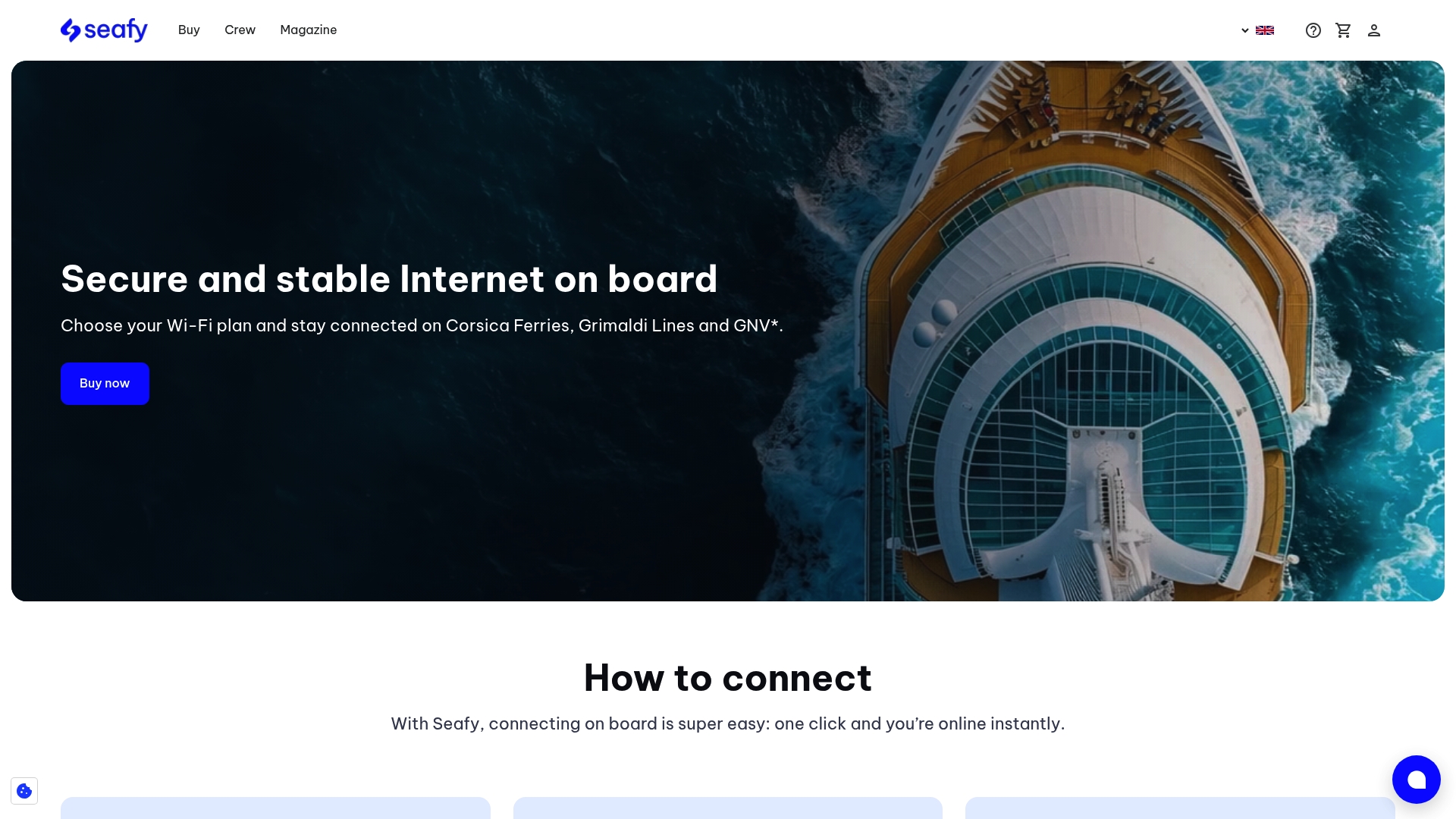
Whether you’re planning a single crossing or an extended island-hopping adventure, Seafy’s connectivity solutions transform travel time into productive or relaxing hours rather than disconnected waiting periods. Explore our service packages designed specifically for ferry travelers who refuse to compromise on digital access. Visit our website to learn more about coverage areas, pricing options, and how to activate your onboard Wi-Fi before your next Mediterranean journey.
Frequently asked questions
What are the main ports served by Corsica Ferries on the French Riviera?
Corsica Ferries operates from Nice, Toulon, and seasonally from Saint-Tropez on the mainland French Riviera. These ports connect to Corsican destinations including Bastia, Ajaccio, Calvi, and Ile Rousse. Nice serves as the primary hub with the most frequent departures, while Toulon offers alternative routing options. Understanding main ports of Corsica helps you select routes matching your specific travel plans and destination preferences.
Is Wi-Fi available on Corsica Ferries and how reliable is it?
Yes, Corsica Ferries Wi-Fi is available on most vessels through satellite connectivity systems. Connection quality supports standard browsing, email, social media, and video calls with occasional slowdowns during peak usage. Purchase packages before boarding for better rates and immediate access. Reliability has improved significantly with modern satellite technology, though heavy bandwidth activities may experience limitations during crossings.
How far in advance should I book ferry tickets for the French Riviera routes?
Book Corsica ferry tickets 8 to 12 weeks in advance for summer travel between June and September. Vehicle transport and cabin accommodations sell out fastest, particularly during July and August peak weeks. Shoulder season travel offers more flexibility with bookings possible 3 to 4 weeks ahead. Last-minute deals occasionally appear for foot passengers, but vehicle availability becomes highly unpredictable.
Can I bring a vehicle onboard Corsica Ferries?
Yes, Corsica Ferries accommodates cars, motorcycles, campers, and trailers on most routes. Vehicle transport requires separate booking with dimensions specified during reservation to ensure proper accommodation. Arrive 60 to 90 minutes before departure for vehicle loading procedures. Car decks remain inaccessible during crossings, so retrieve all needed items before parking. Vehicle transport pricing varies by size, route, and season.