Tech & Wi-Fi
7 Types of Onboard Wi-Fi Solutions for Ferry Travelers
Discover 7 types of onboard wi-fi solutions for ferry travelers. Learn which options best suit leisure, work, and staying connected at sea.
12 February 2026
7 Types of Onboard Wi-Fi Solutions for Ferry Travelers
Staying connected during ferry travel can feel impossible once you leave the comfort of continental shorelines. Whether you need internet for work, entertainment, or peace of mind, the patchwork of maritime Wi-Fi solutions can be confusing and unreliable. But there are proven methods and technologies that ferry operators now use to deliver dependable connectivity both near the coast and across open waters. This list breaks down the most effective options, from satellite-powered coverage to hybrid systems and cabin access points, so you can make confident choices about your next ferry journey. Get ready to discover practical tips and insider details that will help you avoid frustrating dead zones and enjoy a seamless online experience at sea.
Table of Contents
- Satellite-Based Wi-Fi For Wide Maritime Coverage
- Cellular Network Wi-Fi Near Shorelines
- Hybrid Wi-Fi Combining Satellite And Cellular
- Dedicated Access Points For Passenger Cabins
- Public Wi-Fi Zones For Shared Connectivity
- Crew-Specific Wi-Fi For Reliable Operations
- Portal-Based Wi-Fi Access And Package Options
Quick Summary
| Takeaway | Explanation |
|---|---|
| 1. Satellite-Based Wi-Fi Offers Extensive Coverage | Ideal for maritime travelers, it provides internet access across vast oceanic areas where cellular networks fail. |
| 2. Cellular Network Wi-Fi Provides Fast Coastal Connectivity | Best for short coastal journeys, it utilizes existing mobile networks for quick, high-speed internet access near shorelines. |
| 3. Hybrid Wi-Fi Ensures Seamless Transitions | Combines satellite and cellular networks for uninterrupted internet access across various geographical regions. |
| 4. Dedicated Cabin Wi-Fi Enhances Passenger Experience | Special access points in cabins offer strong signals and privacy, ensuring reliable internet for personal use. |
| 5. Public Wi-Fi Zones Enable Shared Connectivity | Free internet access in communal areas helps travelers stay connected, enhancing the overall ferry experience. |
1. Satellite-Based Wi-Fi for Wide Maritime Coverage
Satellite-based Wi-Fi represents the most comprehensive internet connectivity solution for maritime travelers seeking reliable internet access across vast oceanic distances. By leveraging advanced satellite communication technologies, ferry passengers can now stay connected even in remote maritime regions where traditional cellular networks are unavailable.
Modern satellite communication systems utilize sophisticated technologies that enable global maritime internet coverage. These systems rely on an intricate network of satellites positioned in different orbital configurations to provide seamless connectivity:
- Geostationary satellites positioned 22236 miles above the Earth
- Low Earth Orbit (LEO) satellites traveling closer to the planet
- Medium Earth Orbit (MEO) satellites offering intermediate coverage
These satellite systems work by transmitting internet signals through advanced communication networks that integrate terrestrial and non-terrestrial communication infrastructures. The key advantage is their ability to provide extensive ocean-wide coverage, ensuring travelers maintain internet access throughout their maritime journey.
Unlike traditional land-based internet connections, satellite-based Wi-Fi can support multiple simultaneous users across large maritime areas. This makes it particularly valuable for ferry routes that traverse expansive water regions where cellular towers cannot reach.
Satellite Wi-Fi transforms maritime connectivity from a luxury to a fundamental travel necessity.
Some key benefits of satellite-based maritime Wi-Fi include:
- Consistent internet connectivity across international waters
- Support for multiple devices simultaneously
- Bandwidth capable of handling video streaming and professional work requirements
- Enhanced safety through reliable communication channels
- Minimal signal interruption during travel
Pro tip: When selecting a ferry with satellite Wi-Fi, verify the bandwidth capabilities to ensure they meet your specific internet usage needs.
2. Cellular Network Wi-Fi Near Shorelines
Cellular network Wi-Fi represents a practical internet connectivity solution for ferry travelers during coastal journeys. This technology leverages existing mobile networks to provide internet access when sailing close to continental shorelines.
Ferry passengers can benefit from cellular-powered Wi-Fi technologies that utilize long-range directional antennas and advanced cellular data networks. These systems take advantage of robust LTE and 5G technologies to deliver reliable internet connections during coastal routes.
The primary characteristics of cellular network Wi-Fi include:
- Highest internet speeds near shoreline regions
- Leveraging existing mobile network infrastructure
- Lower latency compared to satellite alternatives
- Cost-effective connectivity solution
- Quick connection establishment
Cellular network Wi-Fi bridges the connectivity gap between land and maritime environments.
Mobile roaming agreements between cellular providers enable passengers to maintain internet access across different regional networks. This means travelers can purchase Wi-Fi packages that seamlessly transition between cellular towers as the ferry moves along coastal routes.
Key technical components that enable this connectivity include:
- High-gain directional antennas
- Multi-band cellular signal receivers
- Advanced signal processing technologies
- Intelligent network switching mechanisms
Pro tip: Check your mobile carrier’s international roaming policies before embarking to understand potential additional charges for maritime cellular data usage.
3. Hybrid Wi-Fi Combining Satellite and Cellular
Hybrid Wi-Fi represents the most advanced internet connectivity solution for maritime travelers seeking uninterrupted internet access across diverse geographical regions. By intelligently combining multiple network technologies, hybrid systems ensure passengers remain connected throughout their journey.
Modern ferry services are increasingly adopting hybrid maritime communication systems that dynamically switch between different network technologies. These intelligent connectivity platforms leverage the strengths of various communication methods to provide seamless internet access.
Key characteristics of hybrid Wi-Fi include:
- Automatic network switching capabilities
- Simultaneous use of satellite and cellular technologies
- Optimized connection quality and cost efficiency
- Continuous internet coverage near and far from shore
- Reduced signal interruption
Hybrid Wi-Fi transforms maritime connectivity from a technical challenge to a passenger convenience.
The technical mechanics of hybrid systems involve sophisticated network management that continuously evaluates and selects the most appropriate connection method:
- Near shorelines cellular networks provide high-speed connectivity
- In open waters satellite networks take over communication
- Intelligent algorithms determine optimal network selection
- Seamless transition between network types occurs automatically
These systems typically integrate multiple technologies such as:
- Low Earth Orbit (LEO) satellite networks
- Geostationary satellite systems
- 3G and 4G cellular networks
- WiMAX technologies
Pro tip: When booking a ferry, inquire about their specific hybrid Wi-Fi capabilities to ensure you will have reliable internet access throughout your journey.
4. Dedicated Access Points for Passenger Cabins
Dedicated Wi-Fi access points for passenger cabins represent a significant advancement in maritime connectivity. These specialized network installations ensure travelers can enjoy reliable internet access directly within their private cabin spaces.
Modern ferries are implementing dual-band Wi-Fi router solutions that transform the onboard internet experience. These intelligent networking systems provide comprehensive signal coverage throughout passenger areas, including individual cabin spaces.
Key features of dedicated cabin access points include:
- Strong and consistent signal strength
- Separate network zones for passenger privacy
- Ability to handle multiple simultaneous connections
- Enhanced security protocols
- Independent bandwidth management
Dedicated cabin access points turn maritime travel into a connected workspace and entertainment zone.
The technical infrastructure of these systems typically involves:
- Dual-band router configurations
- Integrated LTE modem backup systems
- Software-defined wide area network (SD-WAN) technologies
- Resilient signal distribution mechanisms
Advantages for passengers include:
- Uninterrupted internet connectivity
- Reliable connection during location transitions
- Seamless network handoffs between different signal sources
- Improved overall digital experience
Pro tip: When booking a cabin, request information about the ferry’s Wi-Fi infrastructure to understand the quality of internet connectivity you can expect.
5. Public Wi-Fi Zones for Shared Connectivity
Public Wi-Fi zones represent a critical infrastructure for modern maritime travel, providing free internet access in shared spaces like lounges, solariums, and common areas. These designated connectivity zones ensure travelers can stay connected throughout their journey.
The European digital connectivity initiative highlights the growing importance of public internet access in transportation environments. These strategic network deployment zones transform ferry travel into a more connected and engaging experience.
Key characteristics of public Wi-Fi zones include:
- Free internet access for all passengers
- Multiple access points in common areas
- High-bandwidth network configurations
- Support for multiple simultaneous users
- Secure network environments
Public Wi-Fi transforms maritime travel from isolated journey to connected experience.
Strategic deployment of these connectivity zones typically involves:
- Installing multiple high-performance wireless access points
- Creating network segments for optimal performance
- Implementing robust security protocols
- Managing bandwidth across shared spaces
Advantages for travelers include:
- Real-time communication capabilities
- Social media access during travel
- Ability to work or stream entertainment
- Enhanced passenger satisfaction
- Reduced personal data consumption
Pro tip: Position yourself closer to access points in public areas for stronger and more stable internet connections during your ferry journey.
6. Crew-Specific Wi-Fi for Reliable Operations
Crew-specific Wi-Fi networks are specialized communication systems designed to support maritime professionals with secure, dedicated internet connectivity. These networks go beyond standard passenger internet solutions to meet the unique operational and personal communication needs of ship crews.
Dedicated Wi-Fi networks for maritime operations provide critical infrastructure for modern maritime communication. These secure digital work environments enable crews to maintain operational efficiency and personal connectivity simultaneously.
Key features of crew-specific Wi-Fi include:
- Separate network from passenger internet
- Enhanced data security protocols
- Customizable user access permissions
- Bandwidth management capabilities
- Support for operational communication systems
Crew Wi-Fi transforms maritime communication from limited to comprehensive.
The technical infrastructure of these networks typically involves:
- User-specific data allowance configurations
- Web traffic compression technologies
- Content filtering mechanisms
- Scalable wireless access solutions
Advantages for maritime crews include:
- Improved communication efficiency
- Personal device connectivity
- Enhanced morale through reliable internet
- Support for IoT operational devices
- Secure data transmission channels
Pro tip: Always verify the specific Wi-Fi capabilities and restrictions for crew members before relying on onboard internet services for critical communications.
7. Portal-Based Wi-Fi Access and Package Options
Portal-based Wi-Fi access represents the most user-friendly and flexible approach to internet connectivity for ferry travelers. These digital platforms enable passengers to easily select customized internet packages that match their specific travel and connectivity needs.
Flexible Wi-Fi service portals transform the onboard internet experience with seamless digital purchasing capabilities. These systems provide travelers with transparent, straightforward methods to obtain internet access during their maritime journey.
Key features of portal-based Wi-Fi access include:
- Multiple payment method support
- Customizable data package options
- Device authentication mechanisms
- Real-time bandwidth management
- Transparent pricing structures
Digital portals turn internet access from a complex service into a simple transaction.
Typical portal access processes involve:
- Selecting desired data package
- Completing user authentication
- Processing secure payment
- Receiving immediate network credentials
Advantages for passengers include:
- Immediate internet activation
- Precise control over data consumption
- Flexible purchasing options
- Transparent pricing
- Easy-to-understand interface
Pro tip: Review available Wi-Fi packages before your journey to select the most cost-effective option matching your expected internet usage.
Below is a comprehensive table summarizing the key points, features, and benefits of various maritime connectivity options discussed throughout the article.
| Connectivity Method | Features | Key Benefits |
|---|---|---|
| Satellite-Based Wi-Fi | Utilizes a network of satellites (LEO, MEO, Geostationary) for global oceanic coverage. | Provides continuous connectivity across international waters, supporting large numbers of users. |
| Cellular Network Wi-Fi | Leveraging LTE and 5G technologies via coastal mobile networks. | Offers high-speed, cost-effective internet access near shorelines. |
| Hybrid Systems | Combines satellite and cellular networks dynamically. | Ensures uninterrupted connectivity by automatically switching networks based on location. |
| Dedicated Cabin Access Points | Dual-band routers ensuring robust cabin-specific signals. | Enhances privacy and security with independent network zones. |
| Public Wi-Fi Zones | Free internet access installed in common areas. | Facilitates seamless connectivity in lounges and shared spaces. |
| Crew-Specific Wi-Fi | Networks tailored for ship operational needs and crew communications. | Supports secure, efficient operations and crew member morale. |
| Portal-Based Wi-Fi | Provides customizable access via digital payment platforms. | Flexible data packages aligning with individual passenger needs. |
Experience Seamless Maritime Connectivity with Seafy
Navigating the challenge of staying connected during ferry travel requires reliable and versatile onboard Wi-Fi solutions like satellite-based, cellular network, and hybrid systems highlighted in the article “7 Types of Onboard Wi-Fi Solutions for Ferry Travelers.” Passengers and crew alike face pain points such as inconsistent coverage in open waters, limited bandwidth near shorelines, and the need for secure, dedicated networks. Seafy directly addresses these issues by partnering with leading ferry lines such as Corsica Ferries and Grimaldi Lines to deliver stable, high-speed internet access powered by cutting-edge satellite technologies like Starlink.
Stay connected effortlessly with features designed for every need:
- Easy portal-based package selection for personalized internet use
- Dedicated cabin access points ensuring private and reliable connections
- Integrated solutions combining satellite and cellular networks for uninterrupted service
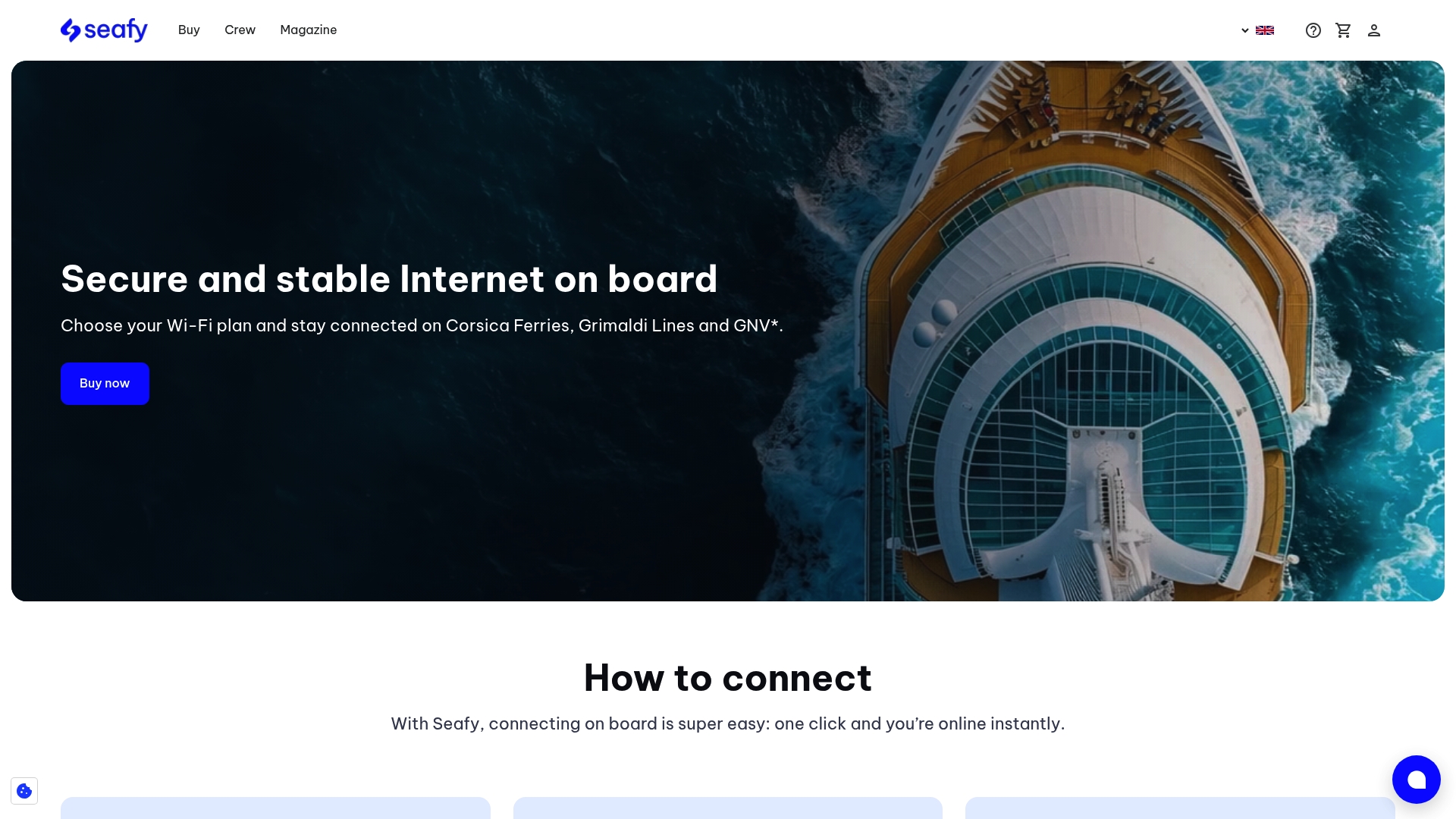
Ready to transform your maritime journey by eliminating connectivity obstacles? Visit Seafy today to explore how our digital platform redefines onboard Wi-Fi access. Discover more about our commitment to enhancing ferry internet services by exploring our partnerships and learning how our platform supports both leisure travelers and professionals performing remote work. Don’t miss the opportunity to enjoy seamless communication and entertainment from shore to open sea—connect with Seafy and sail worry-free now.
Frequently Asked Questions
What are the different types of onboard Wi-Fi solutions available for ferry travelers?
Satellite-based Wi-Fi, Cellular Network Wi-Fi, Hybrid Wi-Fi, Dedicated Access Points for Passenger Cabins, Public Wi-Fi Zones, Crew-Specific Wi-Fi, and Portal-Based Wi-Fi Access are the seven main solutions. Each option provides various benefits depending on your connectivity needs and travel location.
How can I ensure reliable Wi-Fi access in my passenger cabin on a ferry?
Choose a ferry that offers Dedicated Access Points for Passenger Cabins. This will give you strong, consistent Wi-Fi within your cabin, allowing for uninterrupted connectivity and a better overall experience during your journey.
How do I select the best internet package for my ferry trip?
Evaluate the Portal-Based Wi-Fi Access options provided by the ferry service. Look for customizable data packages that align with your anticipated internet usage, ensuring you get the most value for your money.
What should I do if I experience a connectivity issue while onboard?
Contact the ferry crew for immediate assistance with your Wi-Fi connection. They can help troubleshoot issues with the current network type and provide guidance on getting back online quickly.
How can I maximize my internet speed when using public Wi-Fi zones on a ferry?
Position yourself close to the access points located in public spaces. Doing so can help you achieve stronger, more stable internet connections, ensuring a better online experience throughout your voyage.
What security measures should I consider when using Wi-Fi on ferries?
Opt for connections that provide enhanced security protocols, especially when using Crew-Specific Wi-Fi or Dedicated Access Points. Make sure that sensitive information is transmitted over secure networks to protect your privacy during the journey.