Tech & Wi-Fi
Smart Devices for Maritime Crew: Your 2026 Guide
Discover how smart devices for maritime crew enhance safety, communication, and efficiency on vessels. Transform your onboard operations today!
06 July 2026
Smart Devices for Maritime Crew: Your 2026 Guide
TL;DR:
- Smart devices for maritime crew enhance safety, communication, and compliance on vessels through durable hardware and intelligent software.
- Wearable communication tools, AI safety assistants, and voice alert systems support crew safety and operational efficiency at sea.
Smart devices for maritime crew are advanced tools designed to improve communication, safety, and efficiency onboard vessels through durable hardware and intelligent software. The best of these devices combine wearable technology, AI-powered monitoring, and IoT connectivity to meet Maritime Labour Convention (MLC) compliance standards while reducing crew workload. Whether you manage a fleet across the Mediterranean or serve onboard a ferry, the right digital tools change how you work, stay safe, and stay connected at sea.
What are the essential smart devices for maritime crew?
The core categories of maritime crew technology cover four areas: wearable communication, voice alert safety systems, AI operational assistants, and digital compliance platforms. Each category solves a specific problem that paper-based or legacy systems cannot address at sea.
- Wearable communication devices: Bone conduction headsets and mesh intercom systems keep crew in contact hands-free across the vessel.
- Voice alert safety systems: Automatic man-overboard (MOB) detection and multi-language audio alerts give crew real-time emergency response.
- AI operational assistants: Fatigue monitoring tools and rest-hour logbooks track crew health and flag compliance risks automatically.
- Digital compliance platforms: Document management apps reduce hours of admin work to minutes by automating expiry alerts and MLC record-keeping.
Pro Tip: Start with one device category per vessel before scaling. Crews that adopt one tool well perform better than those given five tools at once.
How do wearable communication devices improve onboard safety?
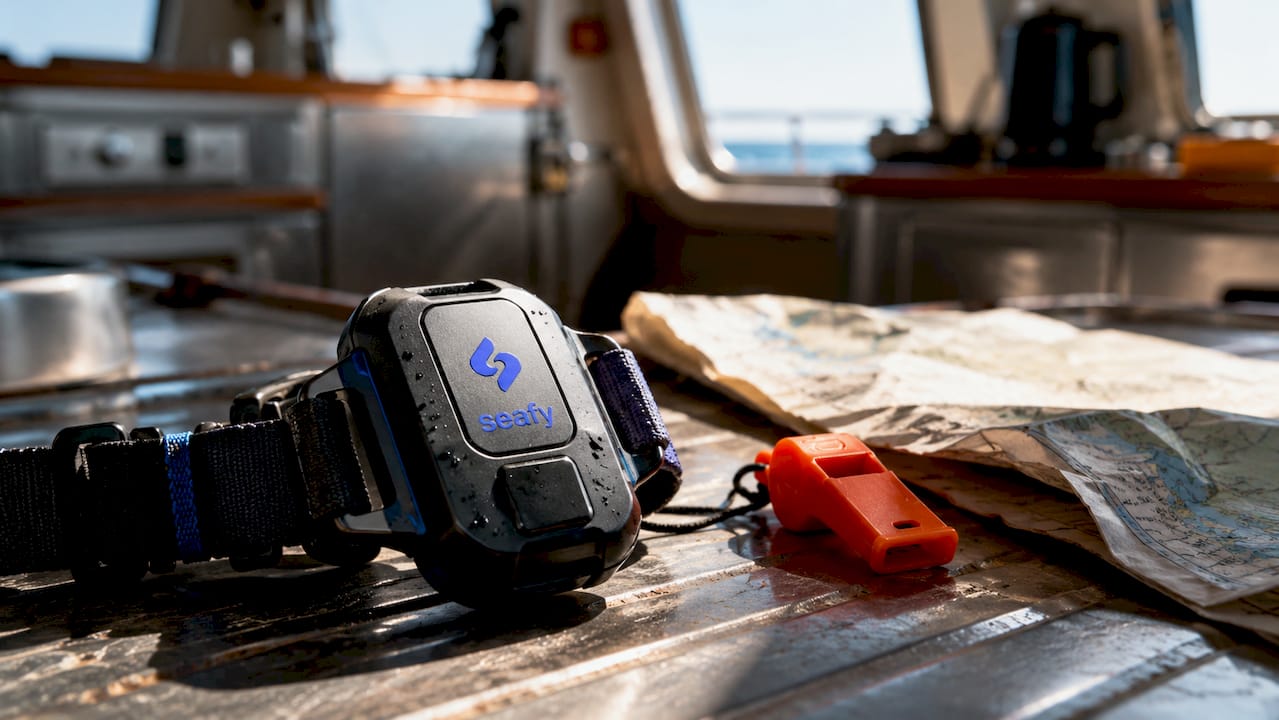
Marine-grade wearable communication devices are built for the conditions you actually face at sea. Bone conduction headsets designed for maritime use feature IPX5 water resistance and pass 72-hour saltwater spray tests. That level of durability means the device survives the deck environment without constant replacement.
The practical specs matter just as much as the durability ratings:
- Weight: Around 41g, light enough for extended wear during long watches.
- Range: Mesh intercom systems reach approximately 200 meters, covering most vessel deck layouts.
- Multi-channel support: Multiple crew members can communicate simultaneously without signal collision.
- Noise control: Bone conduction technology bypasses ambient engine noise, delivering voice clarity in loud environments.
Hands-free operation is the real advantage here. A crew member handling lines or operating deck equipment cannot hold a radio. Mesh intercom systems solve that problem directly. The 200-meter range also covers the distance between a bridge officer and a deck crew member on a large ferry.
Key stat: Marine-grade headsets supporting mesh intercom can connect multiple crew members simultaneously across a 200-meter range, with IPX5 water resistance and 72-hour saltwater spray certification as standard durability benchmarks.
What role do AI-powered assistants play in crew management?
AI operational assistants reduce the administrative burden that pulls officers away from actual vessel management. Digital compliance tools using WhatsApp-based chatbots and mobile apps can reduce document compliance tasks from hours to minutes. Automated expiry alerts track critical certifications within a six-month window, keeping MLC compliance current without manual checking.
The fatigue monitoring side of these systems is equally important. AI-based watchkeeping systems use graded alert states, green, amber, and red, to signal fatigue risk levels to officers. The system advises; the human decides. That design keeps the technology in a support role rather than replacing officer judgment.
- Rest-hour monitoring: Tracks crew work and rest periods against MLC requirements automatically.
- Anomaly detection: Flags behavioral or operational patterns that suggest fatigue or safety risk.
- Document expiry alerts: Notifies officers when certifications, licenses, or vessel documents approach expiry.
- Compliance reporting: Generates MLC-compliant records without manual data entry.
“AI-enabled bridge safety assistants are designed as advisory tools that provide privacy-bounded operational insights without full automation control.”
The advisory design is deliberate. Effective AI safety systems focus on fatigue risk management and support human decision-making, avoiding the pitfalls of full automation. Fleet managers should treat these tools as a second set of eyes, not a replacement for experienced officers.
Which safety alert devices protect crew and vessel in real time?
Voice alert safety systems represent the most direct application of smart marine gadgets to crew protection. Systems like Galvanic Voice support up to 16 crew members per vessel, deliver over 500 contextual voice alerts in 12 languages, and use IP67-rated speakers alongside wearable bracelets. That combination covers automatic MOB detection, fatigue tracking, and sleep-aware scheduling in one platform.
Key features to evaluate when selecting a voice alert system:
- Automatic MOB detection: Triggers an alert the moment a crew member enters the water, without requiring manual activation.
- Haptic feedback: Wristband vibration alerts crew members who may not hear an audio signal in a noisy environment.
- Multi-language support: 12-language capability is critical on vessels with international crews.
- Remote access: Officers can monitor crew status and alert history from the bridge.
| Feature | Specification |
|---|---|
| Crew capacity | Up to 16 wearables per vessel |
| Voice alerts | 500+ contextual messages |
| Language support | 12 languages |
| Speaker rating | IP67 |
| Alert types | MOB, fatigue, haptic |
Pro Tip: Battery life is the most common operational challenge for crew wearables. Build a daily charging protocol into watch handover procedures so devices are always ready.
Battery life challenges for wearable crew devices are real. Pairing devices with familiar smartphone or smartwatch interfaces significantly boosts crew adoption. Crews accept technology faster when it feels like something they already use.
What should fleet managers consider when choosing crew devices?
Fleet managers face a different set of questions than individual crew members. The goal is not just picking the best device. It is picking the right system that scales, integrates, and survives the vessel environment long-term.
- Scalability: Choose systems that support future hardware without requiring full overhauls. Budget for long-term integration capacity from day one.
- Wireless deployment: Wireless mesh tracking systems install on existing vessel structures without dry-docking. That eliminates one of the biggest cost barriers to adoption.
- Steel-heavy environments: Low-frequency wireless networks work in steel hulls where standard Wi-Fi signals fail. Verify that any IoT device you select is tested for this condition.
- Crew acceptance: Systems that mirror familiar smartphone interfaces see faster adoption. Complicated interfaces slow deployment and reduce safety benefits.
- Budget range: Entry-level MOB detection kits start at around $500, with additional crew tags at approximately $150 each. Enterprise fleet integration scales significantly beyond that.
- Redundancy: Every critical safety system needs a backup. Single points of failure at sea are unacceptable.
The internet safety connection matters here too. Smart devices only deliver their full value when the vessel has reliable connectivity to push alerts, sync compliance data, and support remote monitoring.
Key Takeaways
Smart maritime crew devices deliver the most value when they combine durability, AI-assisted monitoring, and reliable onboard connectivity from a single, scalable system.
| Point | Details |
|---|---|
| Wearable durability matters | Choose devices with IPX5 or IP67 ratings and saltwater spray certification for real deck conditions. |
| AI assists, humans decide | Fatigue monitoring systems use green/amber/red alerts to support officer judgment, not replace it. |
| Wireless deployment saves money | Mesh IoT systems install without dry-docking, cutting the biggest barrier to fleet-wide adoption. |
| Battery life drives adoption | Build daily charging into watch handover routines to keep crew wearables operational at all times. |
| Connectivity enables everything | Smart devices need reliable onboard internet to sync data, push alerts, and support remote access. |
What I’ve learned about maritime tech adoption
The technology is rarely the hard part. I’ve seen fleet managers invest in excellent safety systems only to find them sitting in a drawer six months later because the crew never trusted them. Adoption is the real challenge, and it starts before the device ever reaches the vessel.
The crews that use smart marine gadgets well are the ones who were involved in the selection process. When officers understand why a fatigue monitoring tool exists, they use it. When it feels like surveillance, they resist it. That distinction shapes every deployment decision I’d recommend.
The AI advisory model is the right approach for 2026. Full automation at sea is not realistic, and frankly, it is not desirable. The best systems I’ve seen treat the officer as the decision-maker and the AI as the analyst. That balance keeps human expertise central while reducing the cognitive load that causes errors on long watches.
One more thing: connectivity is the foundation everything else sits on. A wearable that cannot sync its data, a compliance tool that cannot push alerts, a monitoring system that cannot reach the bridge. None of these work without reliable internet at sea. That is not a secondary concern. It is the infrastructure that makes every other device worth buying.
— Raffaele
Seafy keeps your crew connected at sea
Every smart device on your vessel depends on one thing: a reliable internet connection. Seafy provides high-speed Wi-Fi onboard ferries and cruise ships across the Mediterranean, with partnerships across Corsica Ferries, Grimaldi Lines, and GNV. Crew members use Seafy to sync compliance data, stay in contact with family, and work remotely between ports.

Seafy integrates with Starlink satellite technology to deliver stable connectivity even in open water. Whether your crew needs to push alert data from an AI monitoring system or simply stream a film during off-watch hours, onboard internet with Seafy keeps everything running. Visit seafy.com to explore connectivity options for your vessel and crew.
FAQ
What are smart devices for maritime crew?
Smart devices for maritime crew are durable hardware and software tools, including wearables, AI assistants, and IoT trackers, designed to improve safety, communication, and compliance onboard vessels.
How does AI help with crew fatigue monitoring?
AI watchkeeping systems use green, amber, and red alert states to flag fatigue risk levels, helping officers adjust watch schedules while keeping human decision-making central.
Can smart safety systems be installed without dry-docking?
Yes. Wireless mesh personnel-tracking systems install on existing vessels without dry-docking, using low-frequency networks that work in steel-heavy environments.
What is the cost range for crew safety devices?
Entry-level MOB detection kits start at around $500, with additional crew wearable tags at approximately $150 each, scaling to enterprise levels for full fleet integration.
Why does onboard Wi-Fi matter for smart maritime devices?
Smart devices rely on internet connectivity to sync compliance data, push real-time alerts, and support remote work at sea. Without reliable onboard Wi-Fi, most digital tools cannot deliver their full safety and operational benefits.